

Stefan Schlatt
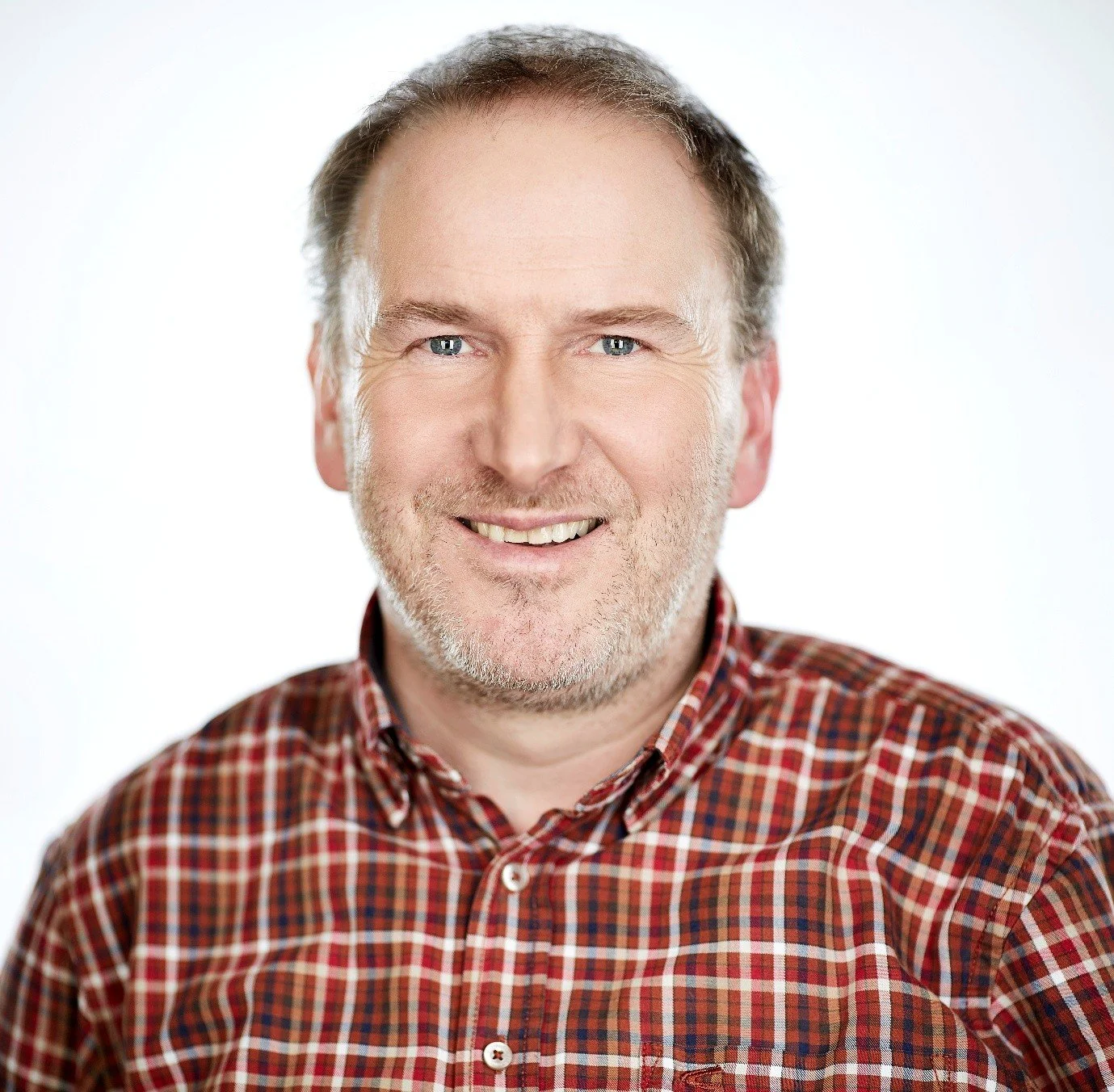
We are excited to introduce you to Stefan Schlatt, Full University Professor and Director of the Centre of Reproductive Medicine and Andrology at the University Münster. With more than three decades of experience in male reproductive biology, Professor Schlatt has made significant contributions to the fields of fertility preservation, spermatogonial stem cell biology, and reproductive medicine.
Can you briefly introduce yourself and your current position?
Since 2008, I am a Full University Professor and Director of the Centre of Reproductive Medicine and Andrology at the University Münster. I am also head of the Institute of Reproductive and Regenerative Biology. I have been working in the field of male reproduction since 1989. I am trained a zoologist. I have obtained my PhD from the University Münster in 1992 and had postdoctoral experiences at Monash University, Australia and the University of Pennsylvania, PA, USA. I have worked as Associate Professor at the University of Pittsburgh from 2003-2008. My research Center and my portfolio of research can be found here:
https://www.medizin.uni-muenster.de/en/cera.html
How did you find your way into the field of fertility preservation?
I was working in the field of basic reproductive biology with a specific focus on spermatogonial stem cell. When exploring opportunities for clinical applications in the late 90s, I became highly interested in fertility preservation using testicular stem cells. I have explored options for in vitro culture, grafting of testis tissue and germ cell transplantation in animal models, including non-human primates. I also work on human testicular tissue and human iPS-cell derived stem cell models.
If you had to choose a different field than fertility preservation, which field would you choose and why?
I am also interested in developmental aspects. Minipuberty, puberty and hormonal regulation of male reproductive functions also fascinates me.
What moment in your career had the biggest impact on you? Or which achievement are you most proud of?
The postdoctoral period at the IRD at Monash University in Australia was the most creative period creating great impact on my abilities. Several experimental breakthroughs using cells and tissues made a great impact and provided me with international visibility.
What do you enjoy most about your job?
To always be challenged by young scientists, being it Master or PhD students or postdocs.
What advice would you give to your younger self (or to early-career researchers/clinicians)?
Be creative, be cooperative and be persistent. Do, however, not try to hard but learn to stop, rethink and start over with revised concepts when stuck.